

Introduction to Shopify SEO
Search engine optimization (SEO) is essential for any e-commerce store looking to attract organic traffic and boost sales. When running a Shopify site, configuring your SEO settings correctly helps search engines crawl, index, and understand your product catalog and store content.
Optimizing Title Tags and Meta Descriptions
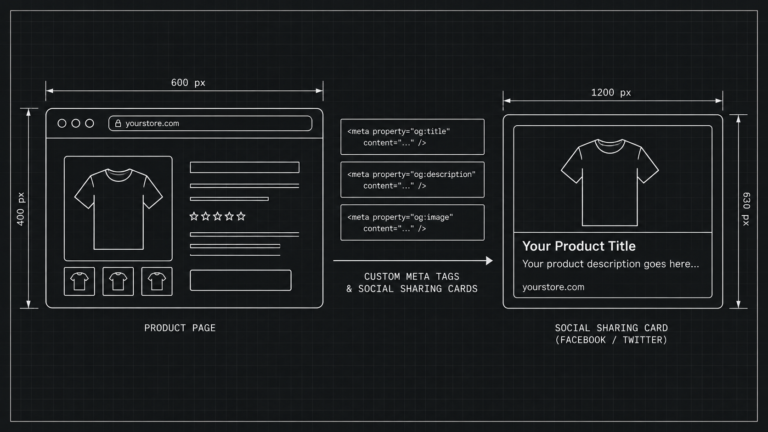
Start by fine-tuning the foundational metadata for your store. Shopify allows you to set the homepage title and meta description directly in your online store preferences. For products, collections, and blog posts, use the search engine listing preview section at the bottom of each item’s page to customize clear, relevant titles and descriptions that accurately reflect what you offer.
Structuring Site Content and Navigation
Organizing your store logically benefits both shoppers and search engines. Group items into distinct collections, use intuitive menu hierarchies, and keep internal linking straightforward. Clean site navigation makes it easier for search engine bots to discover all of your pages without encountering dead ends or convoluted paths.
Optimizing Product Images and Media
High-quality visuals are crucial for e-commerce, but large image files can slow down page loading speeds. Compress product images before uploading to ensure quick loading times. Additionally, write concise, descriptive alt text for every product image to improve accessibility and provide search engines with context regarding visual assets.
Managing URLs and 301 Redirects
Shopify automatically generates clean URL structures for products, collections, and pages. When updating URLs or retiring products, utilize Shopify’s built-in URL redirect manager to set up 301 redirects. This preserves search ranking authority and prevents visitors from encountering broken 404 links.
Leveraging Shopify Blogging and Content Marketing
Publishing regular, informative blog posts helps target informational keywords relevant to your niche. Address common customer queries, share product tutorials, and provide industry tips to broaden your organic search reach and drive qualified visitors to your catalog.
Conclusion
Configuring SEO on your Shopify site is an ongoing effort that yields substantial long-term benefits. By establishing proper metadata, structuring navigation, optimizing media, and keeping content fresh, you create a solid foundation for sustainable organic visibility and store growth.